

“Net Zero” isn’t a cute slogan; it’s a real engineering term, as well as a designation from the Canadian Home Builder’s Association (CHBA). The organization’s Home Labelling Program began in 2015, and since then, more than 4,000 homes across Canada have been deemed either “Net Zero” or “Net Zero Ready.”
What do these labels mean for homeowners in Guelph? Today, we’ll talk about using advanced technologies in home construction to take energy efficiency to the next level.
Do you want a seamless and straightforward home-buying process? One of our detailed buying guides will help!
Net Zero Versus Net Zero Ready
There’s energy efficient, something many buyers and homeowners place a high priority on. Then there’s Net Zero or Net Zero Ready. Let’s start with clarifying the difference between the two.
Both designations mean a house has met the stringent efficiency requirements as set out by the CHBA. A truly Net Zero home produces at least as much clean energy in a year as it consumes. These renewable energy sources are produced on-site.
To qualify as Net Zero, a home could be brand-new and designed for maximum output or fully renovated to meet these guidelines. Either way, the home must have superb insulation, high-performance windows, and near-total airtightness to further minimize the need for heating and cooling. An emphasis on highly efficient lighting and appliances also goes with the territory.
A Net Zero Ready home falls just under those guidelines in that it does not yet have its own independent power sources, such as solar panels. However, renewable energy systems could be easily installed with minimal disruption. For example, the wiring is all in place; you just need the panels. This is often also called “PV Ready.”
All other things being equal, a Net Zero or Net Zero Ready home typically has a higher purchase price than a regular listing. However, the initial cost can be offset over the years with significantly lower (or zero) energy bills.
Net Zero Home or traditional build, one thing remains certain: you can’t go wrong with living in Guelph! Find out why in the posts below:
The History of Net Zero
The CHBA first established an official Net Zero Council in 2014, with the purpose of drastically improving the efficiency of homes all across Canada. Some of their responsibilities include a focus on energy efficiency and reducing emissions produced by a house.
The council also creates educational initiatives for industry professionals through webinars and leadership programs. They are also in charge of coming up with financial solutions to stimulate voluntary adoption of Net Zero Homes.
Over the years, the costs to build or renovate Net Zero homes have decreased, often enough to offset monthly energy expenses. That’s not bad considering they are up to 80% more efficient than a regular home!
The Benefits of Net Zero Homes
Both Net Zero and Net Zero Ready Homes offer several advantages beyond energy savings and the sense of doing your part to reduce our carbon footprint. Advanced technologies also lead to year-round comfort and even temperatures throughout the house, better ventilation, and improved indoor air quality.
Outdoor pollutants like dust and pollen stay out and clean air stays in. Superior insulation also means less disturbance from outside noise, such as lawnmowers or barking dogs. Even the inside of the house is quieter. The HVAC system kicks in less frequently due to the quality of the insulation. When the furnace or air conditioner does run, it is barely noticeable.
Homeowners can also rest assured that they will be protected against future increases in energy bills, a welcome relief when you see some of the news headlines today.
Incentives to Make You Consider a Net Zero Home
Financial assistance across Canada varies by province. However, Guelph has its own incentives to inspire people to bring their homes to (or close to) Net Zero standards. Grant funding may also be available depending on your household income.
Guelph is participating in the global United Nations Race to Zero campaign that intends to halve global emissions by 2030 and reduce them entirely by 2050. The city created the Guelph Greener Homes Program (GGHP), offering a limited number of zero-interest loans of up to $50,000 to existing property owners. Projects can include the installation of solar panels, heat pumps, window and door replacements, and upgrades to your home’s insulation.
A nuanced approach to buying can help you get the best value from your next home. Start by reading the posts below:
- The Double-Edged Sword of Changing Interest Rates
- How to Get a Mortgage
- Don’t Be Fooled By AI When Buying Your Next House!
Renovating to Net Zero or Net Zero Ready
The fastest path to owning a Net Zero or Net Zero Ready home is to simply buy one that already meets or exceeds current standards. However, not everyone wants to move unless they have to. Homes with self-sufficient energy are also more expensive than standard listings, which can put them out of reach for many buyers.
If you don’t wish to buy but still want the benefits of extreme efficiency, you can renovate your way to Net Zero, or close to it. The four categories to focus on are insulation, HVAC, control systems, and renewable energy sources.
Insulation
Nothing you invest in matters if you are not keeping comfortable air in and blocking out the heat or cold, depending on the season. Insulating your home doesn’t just mean thermal insulation, but also sealing around all openings such as windows and doors.
These areas are huge energy leaks. You can either replace them entirely, or, if they’re relatively new and in good condition, add high-quality weatherstripping or caulking.
HVAC
An old furnace or air conditioning that’s limping away costs more than you realize. Luckily, improvements to the technology are happening all of the time.
You might be surprised at how much you save by upgrading to a new HVAC system. Even better (in some cases), a heat pump can handle both the heating and the cooling for the entire house with less energy usage.
Control Systems
Smart thermostats allow you to maximize your home’s efficiency by controlling when and how high the temperature will go. For example, if everyone is away at school or working during the day, there’s no reason to run the furnace or air conditioning at full capacity.
Programmable thermostats mean you can set a comfortable temperature when you need it most.
Smart thermostats give you even more control, allowing you to fine-tune any adjustments based on your changing schedule. If you know you’ll be home in an hour, you can move the thermostat up or down a degree or two. By the time you settle in, the temperature is absolutely perfect.
On-Site Renewable Energy Source
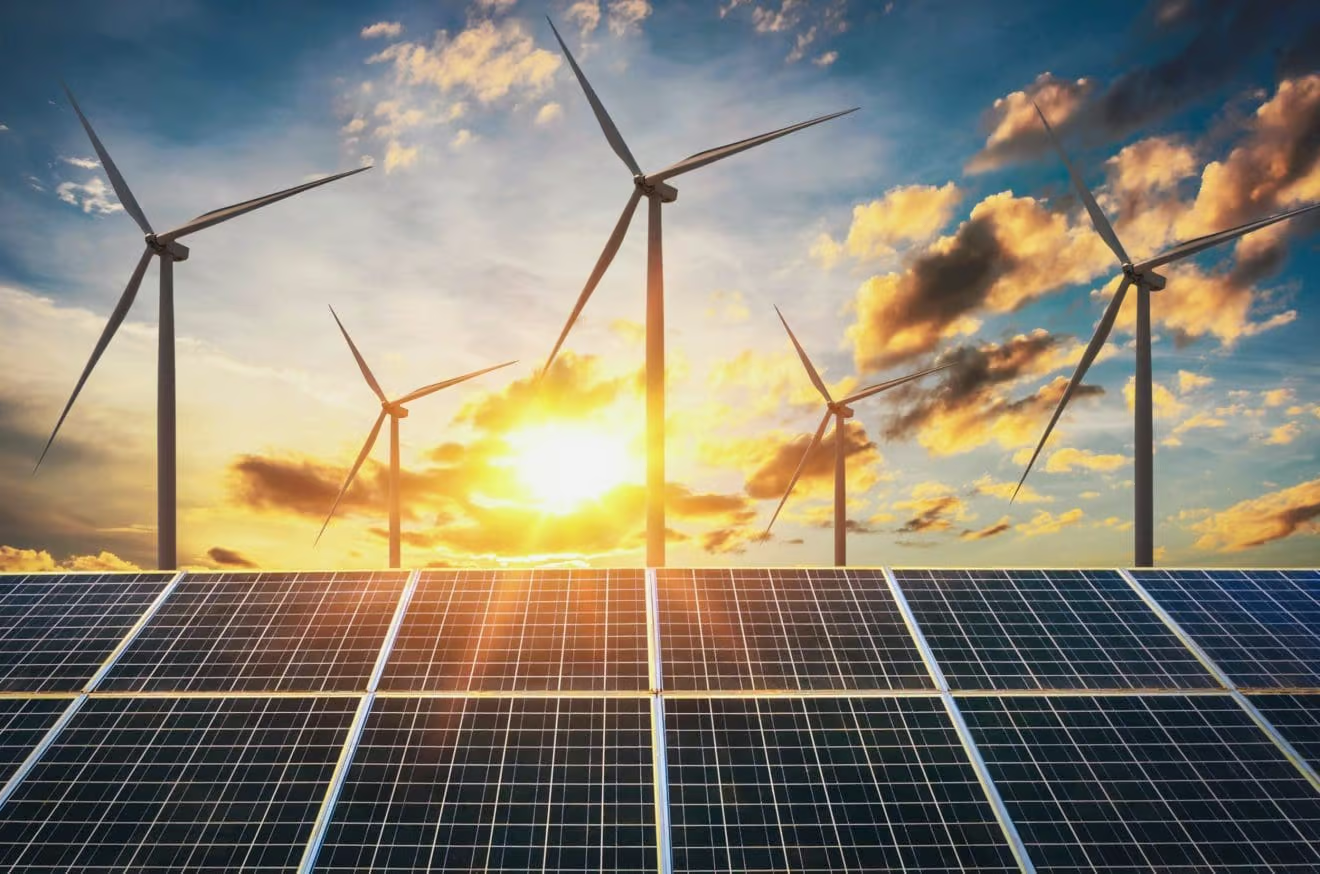
Once the above improvements are in place, your home could qualify for Net Zero Ready status. The final piece of the puzzle to make your property fully Net Zero is some kind of energy source. Usually, this means solar panels.
Once installation is complete, you can sign up for net metering with your hydro company to connect to the grid. Once approved, the distributor will calculate the value of any excess energy your home sends back and apply credits against any charges on your bill. If you have credits left over, they carry forward to your next bill and can be used at any time over the next 12 months.
The combination of energy savings, independence, and comfort can be appealing to anyone searching for a home. If you’ve got your eye out for a custom new-build in the Tri-Cities with the latest and greatest in technology, our team can help.
Are you curious about upgrades that add enjoyment or value to your home or in the market for a new property? Our top Guelph real estate agents are here to guide you every step of the way. Reach out to info@gowylde.ca or call 519-826-7109 for more information.